

SIMCO BLOGS
Get fresh insights. Check-out our latest blog posts.
Traceability, Standards, and What “Compliant” Really Means
An instrument can be calibrated and still fail an audit. That gap…

ISO 17025 Traceability: Challenges with Proprietary Calibration Systems
In calibration and testing, traceability is a core requirement of ISO/IEC 17025.…

Measurement Assurance in Defense and Aerospace: Ensuring Accuracy and Compliance
Advanced defense and aerospace systems depend on precise, reliable measurements to ensure…

How Calibration Intervals Are Set and When They Should Change
Calibration intervals determine how often instruments are evaluated to confirm measurement performance remains within defined limits.…

Calibration Requirements for Defense Contractors: Risks of Shortcuts and How to Stay Compliant
Calibration shortcuts in defense contracting can increase measurement uncertainty, weaken traceability to…

Understanding the Limits of Self-Calibration Under ISO/VIM Traceability
In ISO 9001 (and likewise AS9100), when measurement traceability is required (or…

How to Use Calibration Data Analytics to Anticipate Out-of-Tolerance (OOT) Events
Turning Calibration Data into a Risk-Based Asset Out-of-tolerance events matter because they…
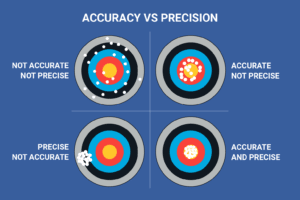
How Accuracy, Precision, and Measurement Uncertainty Affect Real-World Decisions
A calibration certificate answers one question. It represents actual measurements obtained at the time of…

Why the Calibration Procedure on Your Certificate Matters as Much as Traceability
Calibration is more than using traceable standards or issuing a certificate. Metrological…