

How to Use Lean Six Sigma to Streamline Calibration Processes
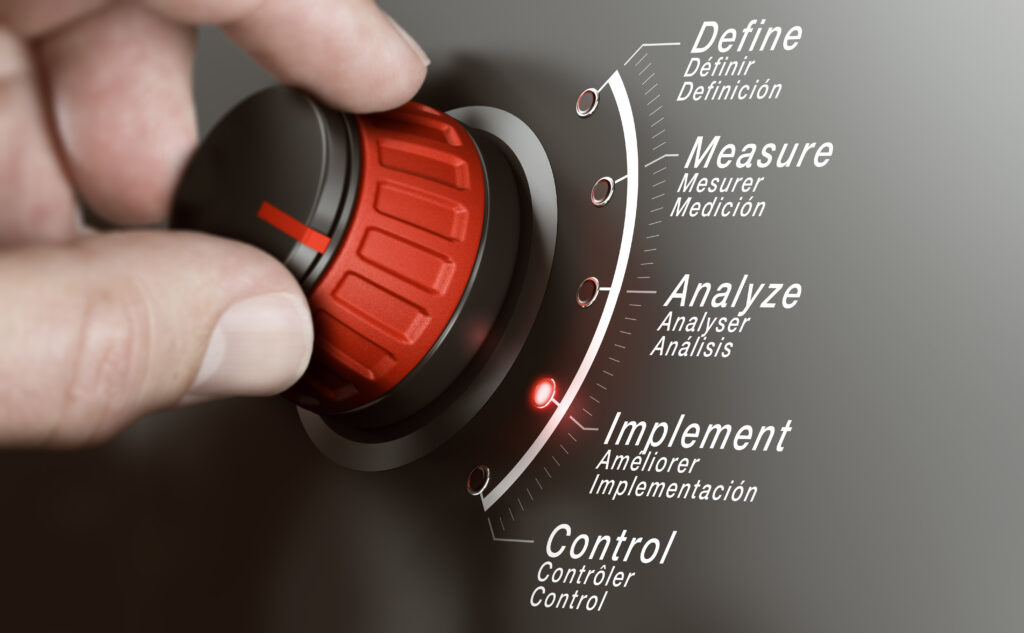
In a perfect world, calibration would feel like a smooth conveyor belt:…
Read MoreHow Misaligned Specifications Create Preventable OOTs (and Unnecessary Cost)

Sometimes OOT events occur not because the instrument cannot meet its published…
Read MoreSmarter OOT Investigations: The Key to Calibration Reliability and Mission Focus

Calibration reliability is the backbone of every compliant, high-performing operation. From aerospace…
Read MoreThe History and Evolution of Calibration Standards in Life Sciences

Introduction: Precision Is the Backbone of Life Sciences In life sciences, precision…
Read MoreZero Margin for Error: Calibration’s Role in Aerospace’s Most Complex Missions

In aerospace and defense, precision is mission-critical. From spacecraft hurtling through orbit…
Read MoreThe Beginner’s Checklist for Sending Equipment Out for Calibration

If you’re new to calibration, it can be tempting to treat the…
Read MoreSmarter OOT Management: Using Trend Analysis and Usage Tracking to Cut Investigation Time

Many organizations treat OOT events as isolated incidents — but in…
Read MoreWhy Calibration Vendors Rarely See the Real Impact of OOT Events (and Why the Burden Falls on You)

When a calibration vendor identifies an out-of-tolerance condition, we still perform our…
Read MoreThe Hidden Expense of Staying Quiet About Fit-for-Use

Most calibration problems do not begin in the lab. They begin in the…
Read MorePrecision vs. Accuracy: Why the Difference Matters in Calibration

In regulated industries where product quality, safety, and compliance are non-negotiable, calibration…
Read MoreUnderstanding Multimeter Calibration: Ensuring Precision and Compliance

A digital multimeter (DMM) is an essential instrument for measuring voltage, current,…
Read MoreHow to Calibrate Hygrometers for Precise Measurements
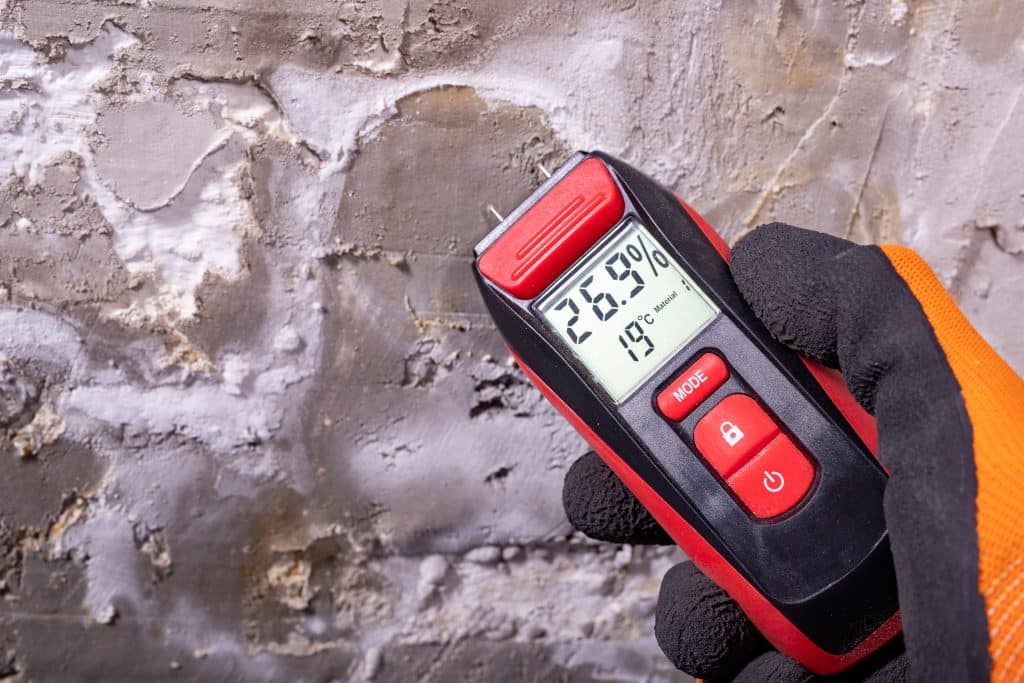
Accurate humidity measurement is vital in industries like pharmaceuticals, food processing, aerospace,…
Read More